
When a worker returns a positive drug or alcohol test, they must be stood down immediately. In theory, this is a simple safety decision. In practice, it can cause a cascade of operational disruption — a gap in the roster that nobody anticipated, a shift that cannot be filled at short notice, a safety-critical role left uncovered, and a project timeline that slips. The root cause of this disruption is rarely the positive result itself. It is the disconnect between the organisation’s testing data and its rostering system.
Integrating drug testing data with rostering is one of the most impactful — and most overlooked — operational improvements an organisation can make. This article examines why integration matters, how it works, and what options are available.
Why Integration Matters
In most organisations, drug testing data and rostering data exist in separate systems managed by separate teams. The safety or HR team manages testing; the operations team manages the roster. When a positive result occurs, the information must travel from one team to the other before the roster can be adjusted. This handover introduces delay, miscommunication, and risk.
The Risks of Disconnected Systems
- Delayed stand-down — If the rostering team is not notified immediately, a worker who should be stood down may continue to be rostered and may attend their next shift before the stand-down is enacted.
- Unfilled shifts — Without advance warning, the rostering team has no time to find a replacement, leading to understaffed shifts or overtime costs.
- Compliance gaps — Workers whose pre-access testing has expired may be rostered onto sites where they are no longer cleared to work.
- Return-to-work delays — A worker cleared to return after a stand-down may not be added back to the roster promptly, leading to unnecessary lost productivity.
Common Rostering Systems
Australian workplaces use a wide range of rostering systems, from enterprise platforms to industry-specific tools. Common systems include:
- Enterprise resource planning (ERP) systems — SAP, Oracle, and Microsoft Dynamics include rostering modules used by large organisations.
- Workforce management platforms — Kronos (UKG), Deputy, Humanforce, and Ento (now part of Humanforce) are widely used in Australian industries.
- Industry-specific systems — Mining, construction, and transport sectors often use specialised rostering tools designed for shift work, FIFO rosters, and multi-site operations.
- Spreadsheet-based rosters — Smaller organisations and subcontractors frequently manage rosters in Excel or Google Sheets.
The integration approach depends on the capabilities of both the rostering system and the testing platform.
Data Flow: Testing to Rostering
The core data that needs to flow from the testing system to the rostering system includes:
- Testing status — Whether each worker has a current, valid negative test result (for pre-access compliance).
- Stand-down triggers — Immediate notification when a worker must be stood down due to a positive result, refusal, or other testing event.
- Return-to-work clearance — Notification when a stood-down worker has been cleared to return to duties.
- Upcoming testing — If a worker is scheduled for random testing, the rostering system can ensure they are available during the collection window.
Automated Stand-Down Triggers
The highest-value integration point is the automated stand-down trigger. When a confirmed positive result or a refusal is recorded in the testing system, the integration should:
- Immediately flag the worker’s status in the rostering system as “stood down” or “not available”
- Remove the worker from all future rostered shifts until their status changes
- Trigger an alert to the rostering manager so they can arrange a replacement
- Log the stand-down event with a timestamp for payroll and HR purposes
This automation eliminates the delay inherent in manual notification and ensures that the roster always reflects the worker’s current testing status.
Visibility for Roster Managers
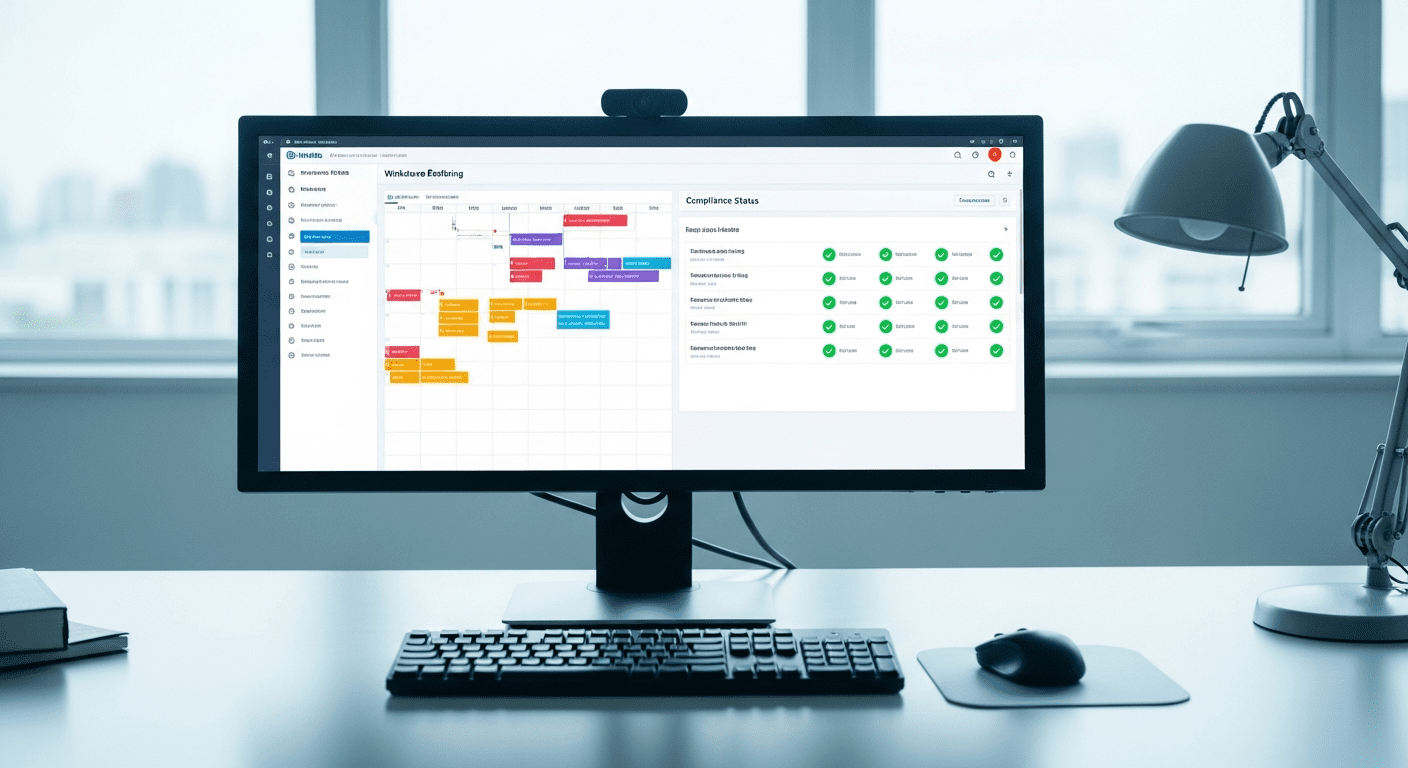
Even without full automation, providing roster managers with visibility into testing data dramatically improves scheduling decisions. A dashboard or report that shows:
- Workers with expired pre-access testing who should not be rostered to certain sites
- Workers currently stood down and their expected return date (if known)
- Workers scheduled for random testing who should be available during the collection window
- Overall testing compliance rates by team, shift, or site
This visibility allows roster managers to make informed decisions proactively, rather than reacting to problems after they occur.
API Integration Options
For organisations with technical capability, API-based integration provides the most seamless data flow. Modern testing platforms typically offer REST APIs that allow external systems to:
- Query testing status — The rostering system checks the testing status of a worker before confirming a roster assignment.
- Receive webhooks — The testing platform sends real-time notifications to the rostering system when a testing event occurs (positive result, stand-down, clearance).
- Sync employee data — Worker details (name, employee ID, role, location) are synchronised between systems to avoid duplicate data entry and ensure consistency.
Integration Approaches by Complexity
- Basic (manual) — Testing team sends a daily email or spreadsheet to the rostering team with current testing status. Simple but prone to delay and error.
- Intermediate (shared dashboard) — Roster managers have read-only access to the testing platform’s compliance dashboard. Real-time visibility without system integration.
- Advanced (API integration) — Automated data flow between testing and rostering systems via API. Minimal manual intervention, real-time updates.
- Enterprise (middleware) — Integration via middleware platforms (such as Zapier, MuleSoft, or custom ETL) that connect multiple systems including testing, rostering, HR, and payroll.
Implementation Considerations
Privacy and Access Control
Drug test results are sensitive health information. Any integration must ensure that rostering managers receive only the information they need — typically a status flag (“cleared” or “not cleared”) rather than detailed results. The integration should not expose the substance detected, the concentration level, or other medical details to operational staff.
Data Accuracy
Integration is only valuable if the underlying data is accurate. If the testing system contains outdated employee records or the rostering system uses different employee identifiers, the integration will produce errors. A data reconciliation exercise before implementation is essential.
Change Management
Introducing automated stand-down triggers changes workflows for both the safety/HR team and the operations team. Both groups need to understand how the integration works, what triggers actions, and what their responsibilities are under the new process. Training and a parallel running period are recommended.
The Business Case
The business case for testing-rostering integration centres on risk reduction and operational efficiency:
- Reduced safety risk — Immediate stand-down of impaired workers, with no reliance on manual notification chains.
- Reduced overtime costs — Earlier notification of stand-downs gives the rostering team more time to find replacements without resorting to expensive last-minute overtime.
- Improved compliance — Automated checks prevent non-compliant workers from being rostered to restricted sites.
- Reduced administrative burden — Elimination of manual status updates, email notifications, and spreadsheet reconciliations.
For organisations with significant testing volumes, the return on investment from integration is rapid and measurable.
Ready to connect your testing data with your roster? Visit fairtest.com.au to start your free trial and explore FairTest’s integration capabilities for seamless testing-to-rostering data flow.