
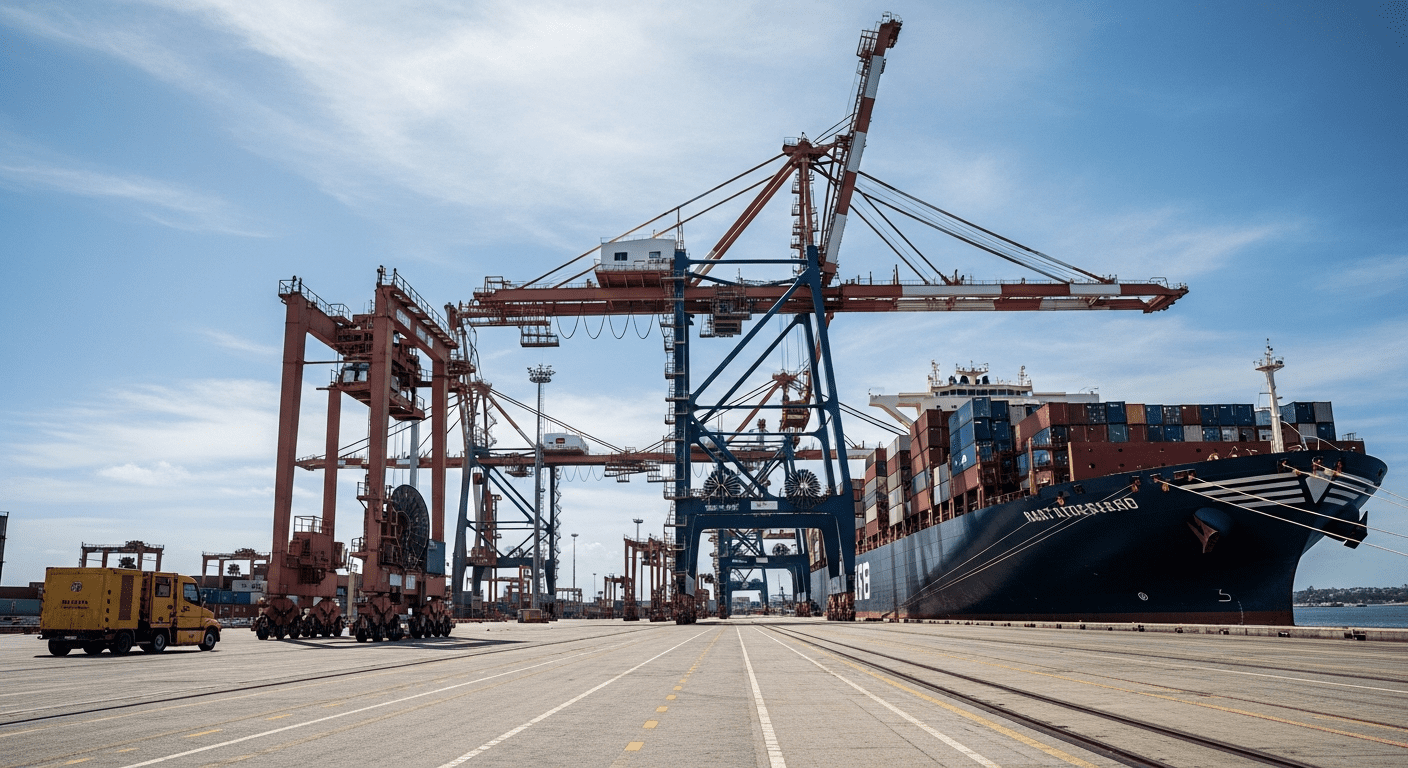
Australia’s maritime and port sector operates at the intersection of domestic regulation, international convention, and complex operational logistics. Drug and alcohol management in this environment must satisfy the requirements of the Australian Maritime Safety Authority (AMSA), state and territory WHS legislation, and — for international vessels — the standards of the International Maritime Organization (IMO).
For port operators, stevedoring companies, shipping lines, and maritime employers, implementing an effective drug and alcohol testing program requires navigating this multi-layered regulatory landscape while addressing the practical challenges of testing workers in port and maritime environments.
AMSA and the Regulatory Framework
AMSA is the national regulator responsible for maritime safety, environmental protection, and seafarer welfare. AMSA administers the Navigation Act 2012, the Marine Safety (Domestic Commercial Vessel) National Law Act 2012, and associated Marine Orders that establish the regulatory framework for drug and alcohol management at sea.
Marine Order 11 — Living and Working Conditions on Vessels
Marine Order 11 gives effect to the Maritime Labour Convention (MLC) 2006 in Australian law. It requires that the master and owner of a vessel ensure that the vessel is operated safely and that seafarers are not impaired by drugs or alcohol while on duty. While Marine Order 11 does not prescribe a specific testing regime, it establishes the overarching obligation for safe operation that underpins any drug and alcohol program.
Marine Order 32 — Certificates of Competency
Marine Order 32 deals with the certification of seafarers. AMSA can refuse to issue, suspend, or cancel a certificate of competency if the holder is found to be unfit to perform their duties due to drug or alcohol impairment. This provides a powerful regulatory incentive for seafarers to remain fit for duty.
Blood Alcohol Limits
The Navigation Act 2012 prescribes blood alcohol limits for masters and crew members of regulated Australian vessels. It is an offence for a master or crew member to be on duty or available for duty while their blood alcohol concentration exceeds the prescribed limit. Penalties for breaches are significant and can include criminal prosecution.
Seafarer Obligations
Seafarers working on Australian-flagged vessels and domestic commercial vessels have specific obligations regarding drug and alcohol use:
- Fitness for duty — seafarers must be fit to perform their duties at all times when on board. This includes being free from the impairing effects of drugs and alcohol.
- Compliance with vessel drug and alcohol policy — most vessel operators maintain a policy that prohibits or restricts the consumption of alcohol on board and prohibits the use of illicit drugs entirely.
- Medical fitness — seafarers must hold a valid maritime medical certificate. Drug or alcohol dependence may affect medical fitness and can result in certificate refusal or cancellation.
- Reporting obligations — seafarers may be required to report prescription medications that could affect their capacity to perform duties safely.
Port Worker Testing
Port environments present their own set of challenges for drug and alcohol testing. Stevedoring operations, container terminal operations, and bulk handling facilities are high-risk environments where heavy machinery, mobile plant, and vessel operations create multiple hazard exposures.
Roles Requiring Testing
- Crane operators — ship-to-shore cranes, rubber-tyred gantry cranes, and mobile cranes.
- Straddle carrier and reach stacker operators — moving containers within the terminal.
- Forklift and mobile plant operators — operating within warehouses, cargo sheds, and break-bulk areas.
- Vessel mooring crews — working on wharves during vessel berthing and departure.
- Stevedores and cargo handlers — working in the hold of vessels or on the wharf alongside.
- Marine pilots — navigating vessels into and out of port.
Shift Work and 24/7 Operations
Ports operate around the clock, with vessel arrivals and departures dictating the work schedule. This means testing must be feasible across day shifts, afternoon shifts, night shifts, and weekends. Random selections should cover all shifts proportionally, and the testing process should not create safety risks by removing critical personnel at the wrong time.
International Crew Considerations
Australia’s ports host international vessels with crews from around the world. The interaction between Australian regulation and the crew’s flag state requirements creates additional complexity.
Flag State vs Port State Requirements
International vessels visiting Australian ports are subject to port state control inspections by AMSA. While AMSA’s primary focus in these inspections is vessel safety, structural integrity, and certification, evidence of drug or alcohol impairment among crew members can trigger further action, including detention of the vessel.
The vessel’s flag state — the country where the vessel is registered — typically sets the drug and alcohol policy for the crew. Australian port employers do not generally test the crew of visiting international vessels. However, any interaction between the crew and Australian port workers (e.g., during cargo operations) creates a shared safety obligation.
Practical Considerations
- Language barriers — testing procedures, consent processes, and policy communications must account for the linguistic diversity of international crews.
- Cultural sensitivity — attitudes to drug and alcohol testing vary across cultures. Testing should be conducted respectfully and with awareness of cultural differences.
- Jurisdiction — the legal framework that applies depends on whether the worker is an Australian employee, a foreign seafarer, or a contractor. Seek legal advice on cross-jurisdictional issues.
Testing Logistics at Ports
The physical layout and operational tempo of port environments create specific logistical challenges for testing:
- Security and access — ports are security-regulated environments under the Maritime Transport and Offshore Facilities Security Act 2003. Testing personnel must have appropriate security clearances and identification to enter the port zone.
- Dispersed workforce — port workers may be spread across a large geographic area, from the wharf face to container yards to warehouses. Mobile testing capabilities are essential.
- Operational windows — the pace of vessel operations means workers are often under time pressure. Testing must be conducted efficiently to avoid unacceptable delays to vessel turnaround.
- Environmental conditions — exposure to weather, noise, and mobile plant on the wharf can make the testing process more challenging. Collection should be conducted in a suitable area that provides privacy and protection from the elements.
Building a Maritime Testing Program
An effective drug and alcohol testing program in the maritime and ports sector must account for the regulatory complexity, the 24/7 operational environment, the mix of domestic and international workforces, and the physical challenges of the port environment.
Key elements include:
- A clear policy that addresses all worker categories — employees, contractors, and any interactions with vessel crews.
- Testing procedures that comply with AS 4760 (oral fluid) or AS/NZS 4308 (urine).
- Random selection that covers all shifts and all areas of the port operation.
- Robust for-cause and post-incident testing procedures.
- Secure, auditable record-keeping that satisfies both AMSA and WHS obligations.
- Integration with the port’s broader safety management system.
If your organisation operates in the maritime or ports sector, FairTest provides the tools to manage your drug and alcohol testing program across complex, multi-shift operations. From automated selections to digital test records and compliance reporting, it is built for environments where the logistics of testing are as challenging as the testing itself. Start your free trial today.